This is the route this site's original journal was written from — a firsthand, day-by-day account is linked at the bottom of this page.
Unlike the India and Sikkim routes, this one is not part of India's official government batch system (there is no kmy.gov.in registration for it) — it is booked directly through Nepal-based tour operators, which is part of why it was a practical option during the years the India-China government routes were suspended.
Itinerary
- Bangalore (or your home city) to Kathmandu — direct flights exist but may run limited days of the week; budget a buffer day in Kathmandu.
- Kathmandu to Nepalgunj — a roughly hour-long domestic flight. This is also typically where your group gets a briefing on Acute Mountain Sickness (AMS) and altitude/temperature risks from your tour operator's guide.
- Nepalgunj to Simikot — another short domestic flight, but this leg is highly weather-dependent. Flights can be delayed or cancelled for days if the weather at Simikot doesn't cooperate; build slack into your schedule rather than a tight itinerary.
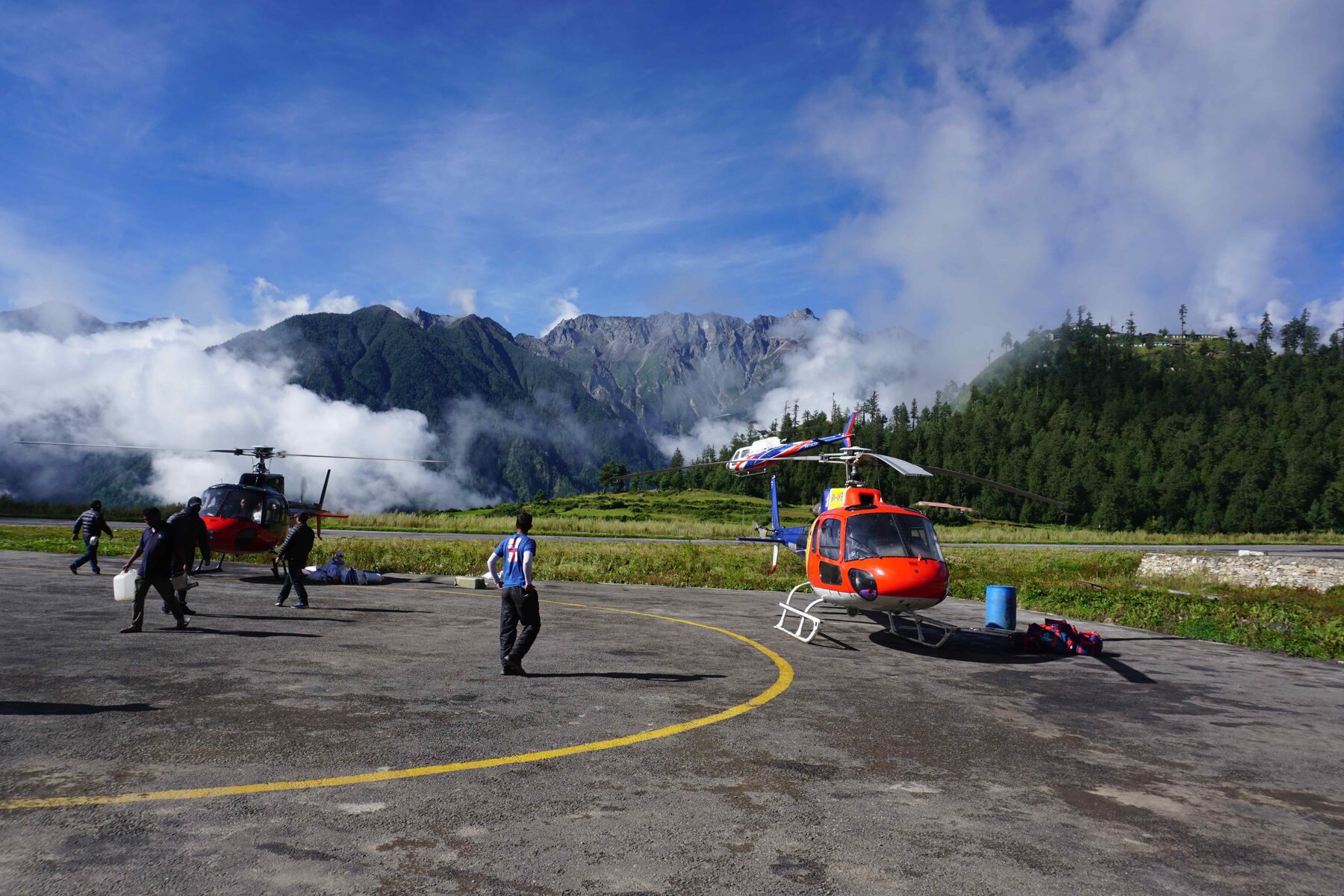
- Simikot to Hilsa — by helicopter (25–30 minutes). There's a strict luggage weight limit (around 15 kg total per person) and a small passenger capacity per flight (around 6), so groups get split across multiple flights and reassemble at Hilsa.
- Hilsa across the border — a suspension bridge over the Karnali river marks the Nepal–China border. Immigration/customs formalities happen on the Chinese side at Purang.
- From Purang, the route continues overland to Lake Manasarovar and Darchen, where the parikrama begins.
What to expect
- The Nepalgunj–Simikot leg is the most likely point for multi-day weather delays — this is normal, not a sign anything has gone wrong.
- Facilities at Hilsa are basic.
- Groups traveling this route are typically organized by a Nepal-based tour operator who handles permits, flights, and the border crossing logistics as a package.
For the full day-by-day account of this route including the parikrama itself, see the original journal (link to come).